Categorizing Risk
Risk for R&D takes different forms - each with unique problems and solutions.

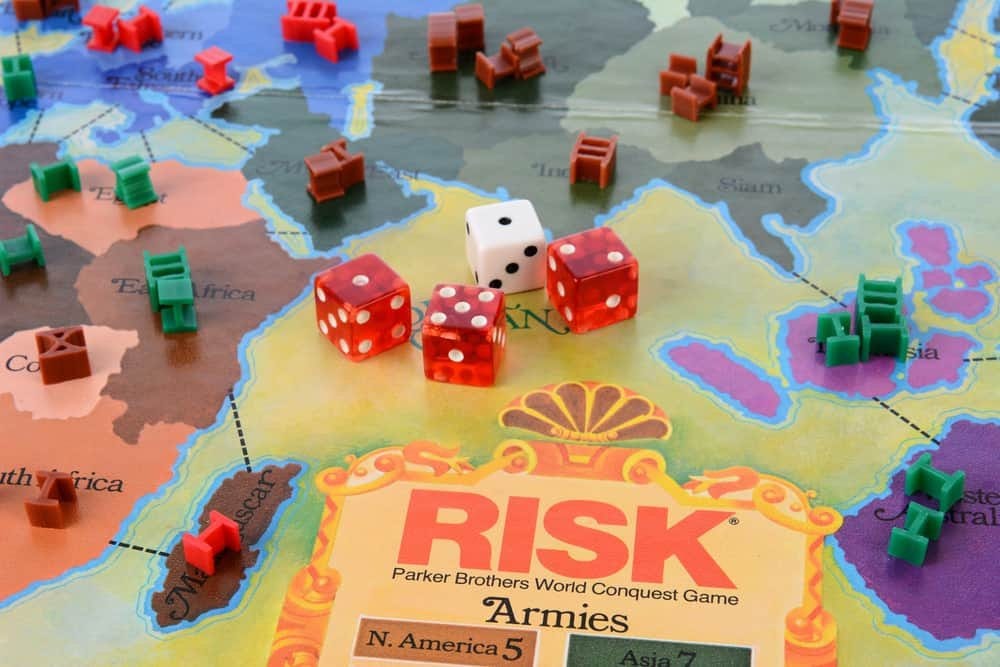
A challenge I have faced in managing research is helping scientists to focus on the correct priorities. Often, good scientists start off-priority projects as a strategy to manage risk. e.g. Risks that the main priority will underperform or that external conditions change, rendering the target project obsolete. “If I have multiple projects, one of them is bound to succeed.”
They are not wrong to worry about risk, but loading up on contingency projects may not be an optimal solution.
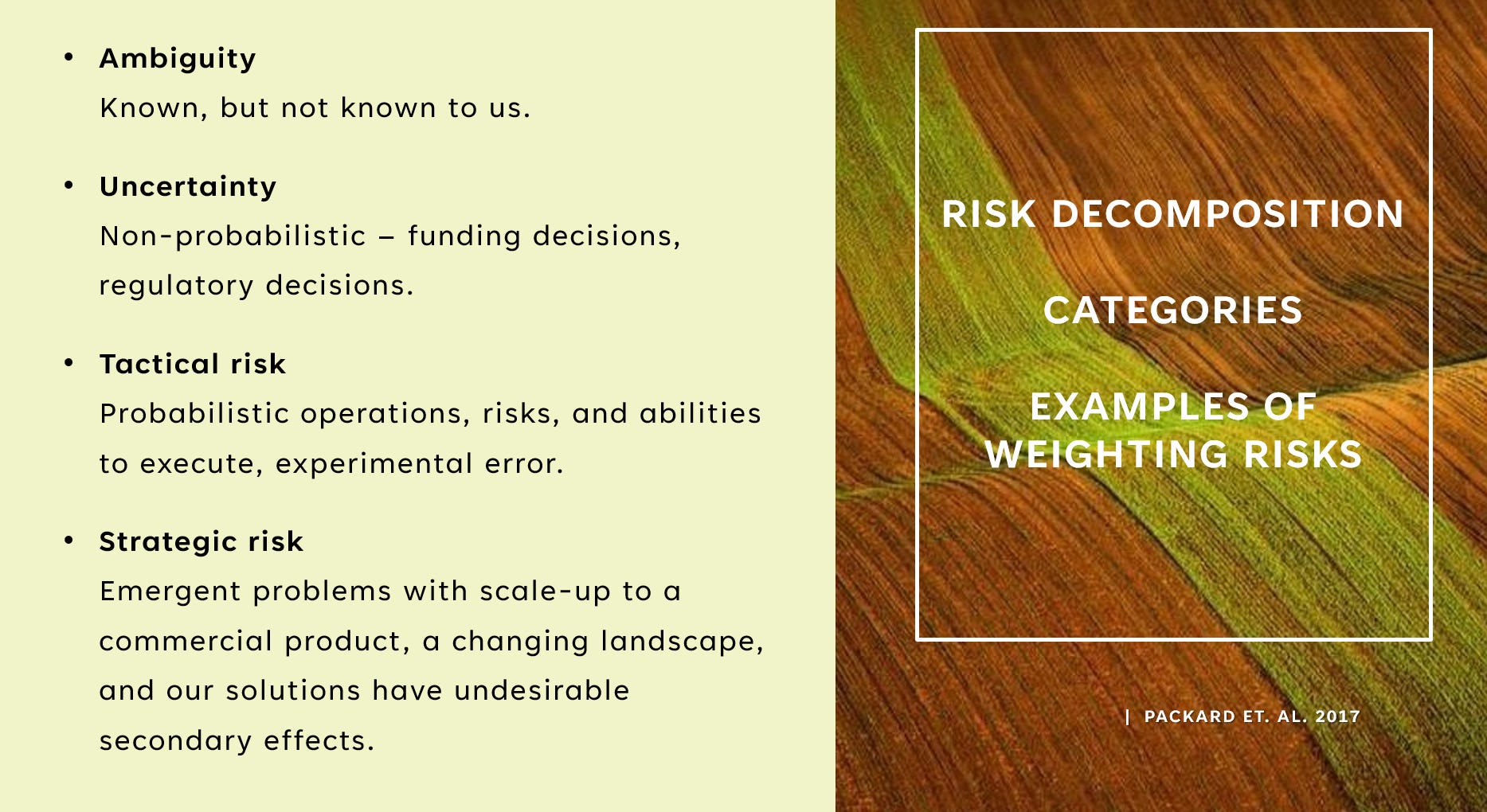
This posting is an update of one of my early blog posts about a useful research article: The Types of Uncertainty Entrepreneurs Face. Packard et al. The reference is a helpful tool for decomposing project risk into understandable categories. Researchers commonly lump all project risks into a single sticky-gooey lump and then worry about risks, rather than managing risks. This is a major driver of R&D diversification into lower-priority areas, draining resources.
When I work with clients, a first step is decomposing risks into categories that can be managed and minimized. The graphic below is from a standard deck that I use with clients to help them think through risks. What is keeping you awake at night?
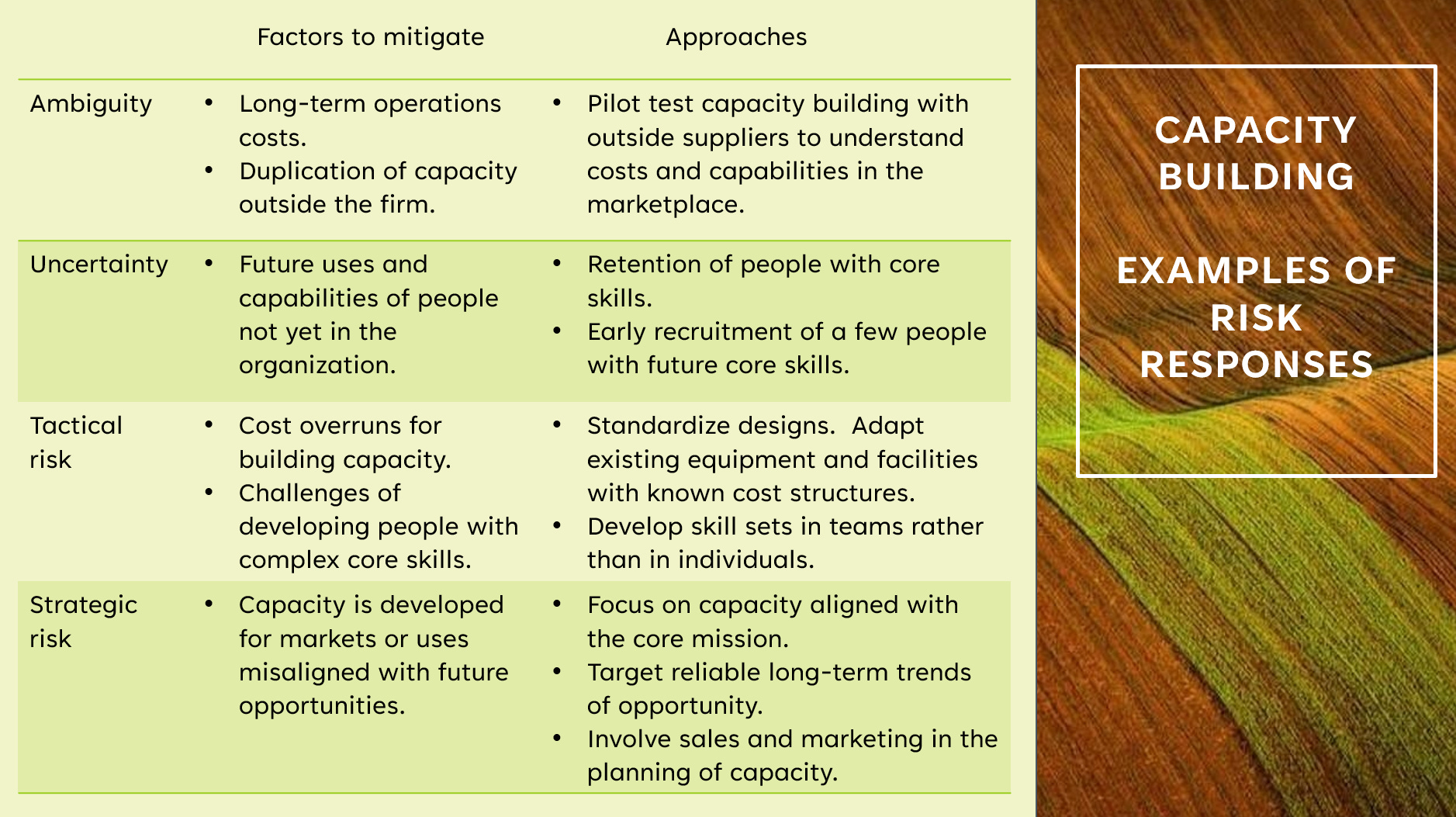
The next step is to tailor plans for the individual types of risk. Each requires different strategies. Below are examples of risk types and approaches to minimize their likelihood of derailing an R&D project.
Although I draw on Packard et. al.’s terminology and methods, their research is more focused on long-term innovation strategies. Longer-term strategies are the subjects for other posts, longer-term as in years, if not decades or a century. In my experience, people often need to do triage on risk before they can think about long-term innovation risks. Writing out everything you can think of as a risk is helpful. It gets it out of your head. It is even more useful to divide your worries into buckets of similar types of risk. That simple exercise tends to lower anxiety. But more importantly, it almost inevitably sets the stage for workable solutions.
Get the risk out of your head and onto paper.
Make the risks discrete and tangible.
Categorize the risk into buckets of similar risk types.
Match solutions to the types of risk.
_____________________________________
Goodland Innovation empowers agricultural R&D directors to cut through complexity, dramatically accelerating time-to-market for groundbreaking products worldwide. With over 40 years of experience working with organizations such as Bayer, BASF, Kraft, and the USDA Agricultural Research Service, as well as international NGOs like CIMMYT, our proven approach has boosted service lab output by up to 50% and transformed new research teams into innovation leaders.
Want to talk about your research challenges? Let’s visit about them:
edsouza@goodlandinnovation.com, LinkedIn.
____________________________________
In the Weeds
I have found Packard’s methodology helpful for selecting new projects. This is a rarer event than most people think. Often, we are following along an existing line of work. The project area is predetermined by the scope of the organization conducting the research. In that case, analyzing and responding to existing risks is necessary.
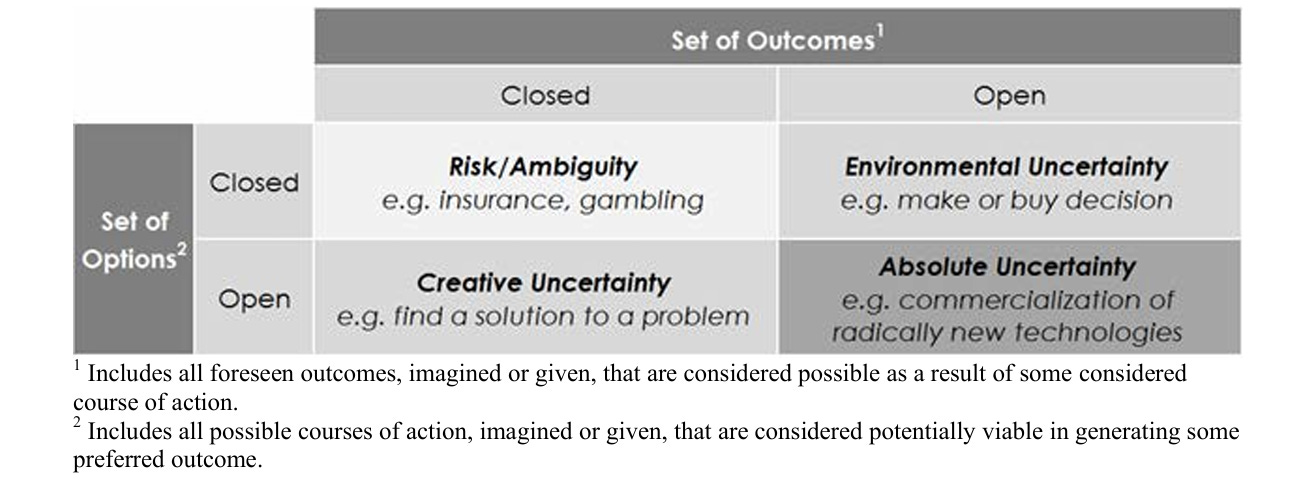
But when you start with a clean whiteboard, the figure below is a helpful starting point for a project. If you are interested in exploring the applications of this method in your work, reach out to me, and we can discuss it over coffee.